
What made the project difficult
Specifying brightness alone would not protect the display from solar load, trapped heat, dust exposure or difficult maintenance after installation.
Outdoor / High brightness
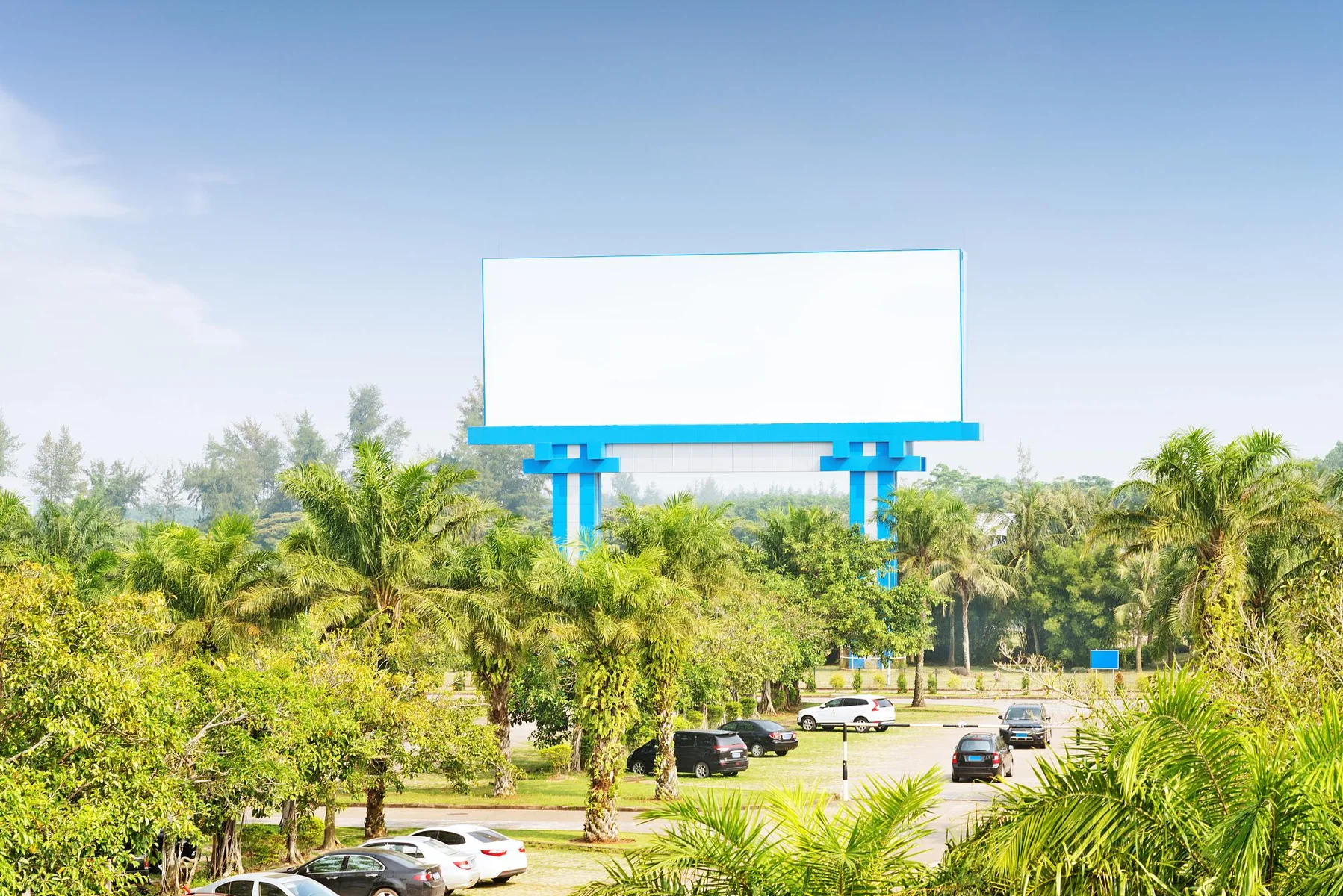
A project solution for a commercial site where direct sun, high ambient temperature and service access were the main procurement risks.
Specifying brightness alone would not protect the display from solar load, trapped heat, dust exposure or difficult maintenance after installation.
A site-led review covering screen orientation, brightness, enclosure, airflow, thermal control, foundation or wall interface and front or rear service access.
Outdoor media operators, property contractors, transport projects, hospitality groups and regional signage distributors.
Project brief
A public-facing advertising site exposed to direct sun, high ambient temperature and long daily operating hours.
The project brief moved from a single brightness request to a site-specific equipment specification with clear thermal, service and acceptance assumptions.
Procurement inputs
More project contexts
 01
Retail network / Window display
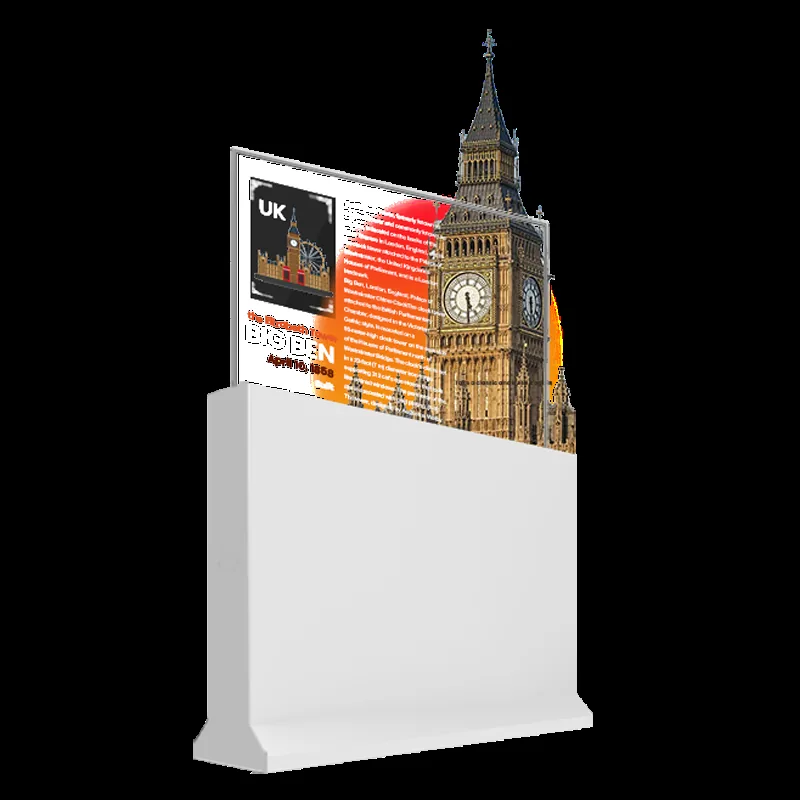
An anonymized project solution for a retail network that needed consistent storefront visibility across different window orientations and store layouts.
The first stores used indoor screens that looked acceptable in shaded locations but became washed out near afternoon sun. Different mounting depths also made service access inconsistent across the network.
The rollout was framed as a repeatable window-display package: brightness selected by orientation, slim mounting defined around the glass line, cable exits standardized, and playback settings documented for each store type.
The buyer received a repeatable specification instead of a collection of one-off screens: the sales team could quote by store type, while the installation team had consistent mounting and service notes.
 02
Museum / Transparent OLED
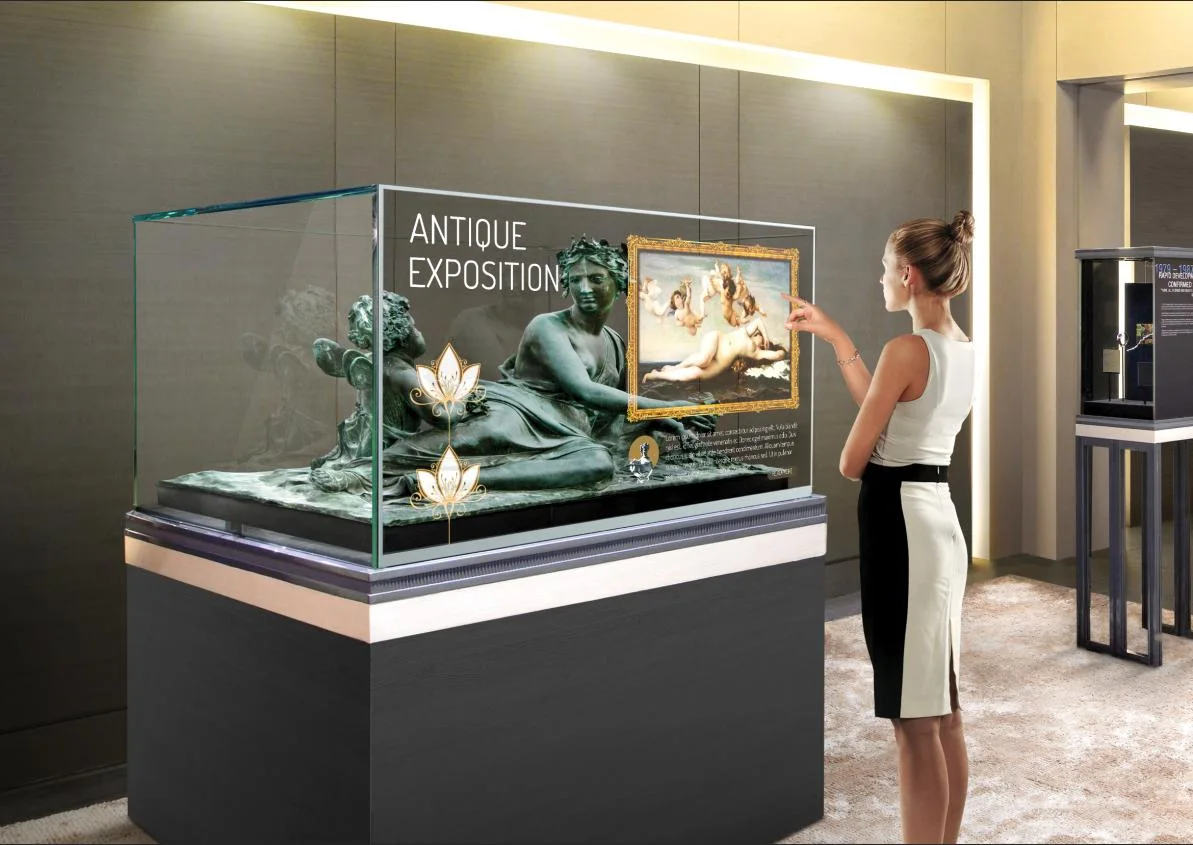
An anonymized project concept for adding motion and explanatory content while preserving a clear view of the object behind the display.
The exhibit needed digital interpretation, but a conventional display would block the artifact and make the installation feel like a separate video wall.
A transparent OLED layer with content designed for self-emissive pixels, carefully controlled reflections and a slim support structure coordinated with the exhibit sightline.
The final concept treated the display as an interpretation layer within the exhibit architecture, giving the museum team a clearer brief for content, structure and commissioning.
Built for B2B projects
Send the application, dimensions, quantity, installation photo and destination market. We will turn those inputs into the next technical questions.