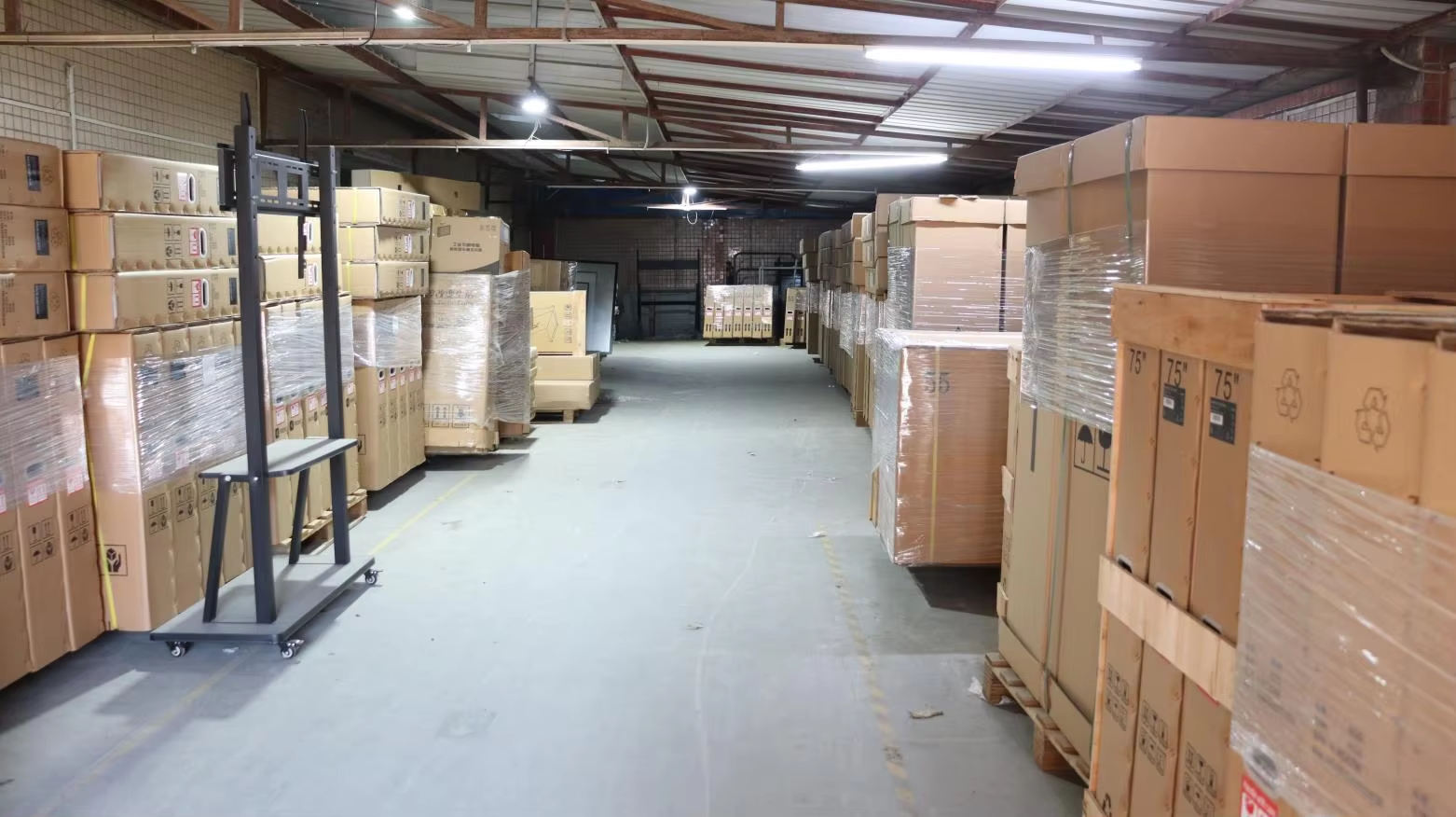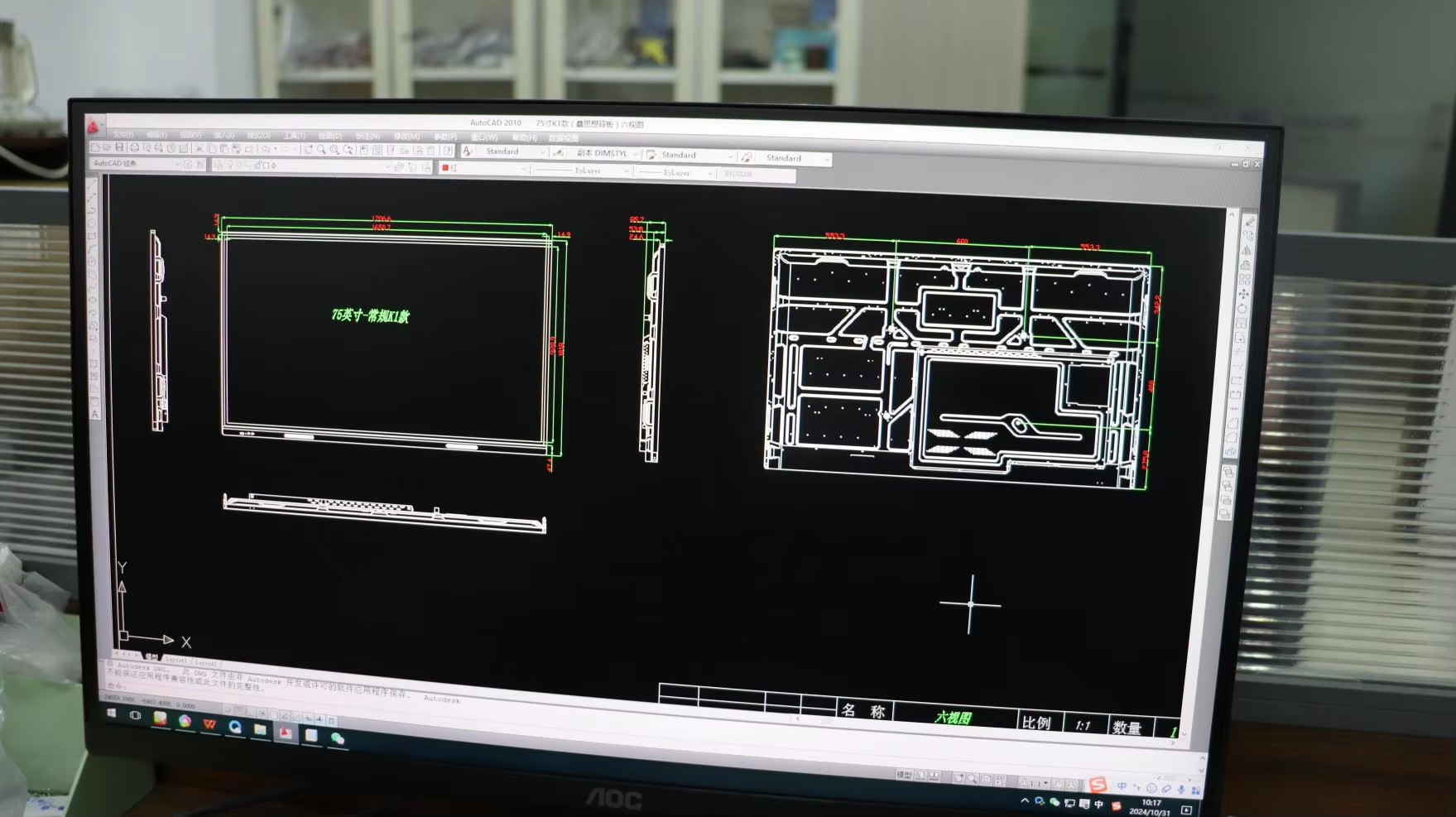
Too many similar models fragment stock and training, while isolated custom samples make repeat pricing, spare parts and warranty responsibility difficult to manage.
Build a range around buying problems, not catalogue volume
A distributor needs enough choice to cover local opportunities without fragmenting stock, training and spare parts across many similar models. The strongest range gives each product family a clear customer, application and commercial reason to exist.
OEM work should support that range architecture. Branding, samples, sales material, configuration control and after-sales planning are connected decisions because they determine whether an attractive launch can become repeat business.
Separate core, configurable and project products
Core products should cover frequent applications with stable references and repeatable pricing. Configurable products can share a base platform while allowing useful choices such as brightness, player, finish or mounting. Project products should be quoted against a defined brief rather than presented as normal inventory.
This structure helps sales teams qualify inquiries and protects stock from being consumed by one-off requests. It also tells the factory which products need continuity and which may be engineered per project.
Choose samples that test a sales proposition
A sample should answer a commercial question: can the team sell a high-brightness window display to retail chains, or can local contractors install and support an outdoor unit? Selecting one sample for every catalogue category usually creates cost without clear learning.
Define the demonstration content, target customer meetings, feedback method and decision date before ordering. Sample approval should also record finish, branding, software and packaging for any later production.
Design margin and support into the offer
Model landed cost with freight, duty, local installation, warranty allowance and sales overhead rather than relying on FOB price. Use private label and application bundles where they create buyer value, not simply to hide a generic product.
Agree which faults can be handled with local spares, what evidence the factory needs and how model continuity will be managed. A supportable range can justify stronger channel trust than a wider but uncontrolled catalogue.
Regional range architecture
Classify products by sales frequency and support model before choosing samples.
| Range tier | Commercial role | Stock approach | Factory control needed |
|---|---|---|---|
| Core | Frequent sizes and common customer problems | Forecasted stock or planned repeat orders | Stable model code, options and spare reference |
| Configurable | Differentiated applications built on a shared platform | Base platform with selected options | Approved option matrix and pricing logic |
| Project | Tender, custom structure or unusual environment | Order against confirmed project | Drawing, specification and milestone approval |
| Demonstration | Prove demand and train sales or installers | Limited sample with decision deadline | Sample record and conversion criteria |
Range-building choices that weaken distributor margin
- 01Too many nearly identical samples
Similar units consume launch budget without giving the sales team a distinct customer story.
- 02FOB price used as landed cost
Freight, import, local labor, warranty and channel costs can materially change the viable selling price.
- 03Private label without configuration records
Branding alone does not create a repeatable product when the underlying options and components are unclear.
Questions for a distributor-factory planning session
- Which three customer problems should the first range solve?
- Which models are intended for stock, configuration or project quotation?
- What sample evidence will trigger a range launch or rejection?
- How are private-label artwork, model codes and packaging revisions controlled?
- Which spares and fault evidence can the local team realistically manage?
Who this guide is for
Commercial display distributors, digital signage dealers, AV wholesalers and importers developing a local product portfolio.