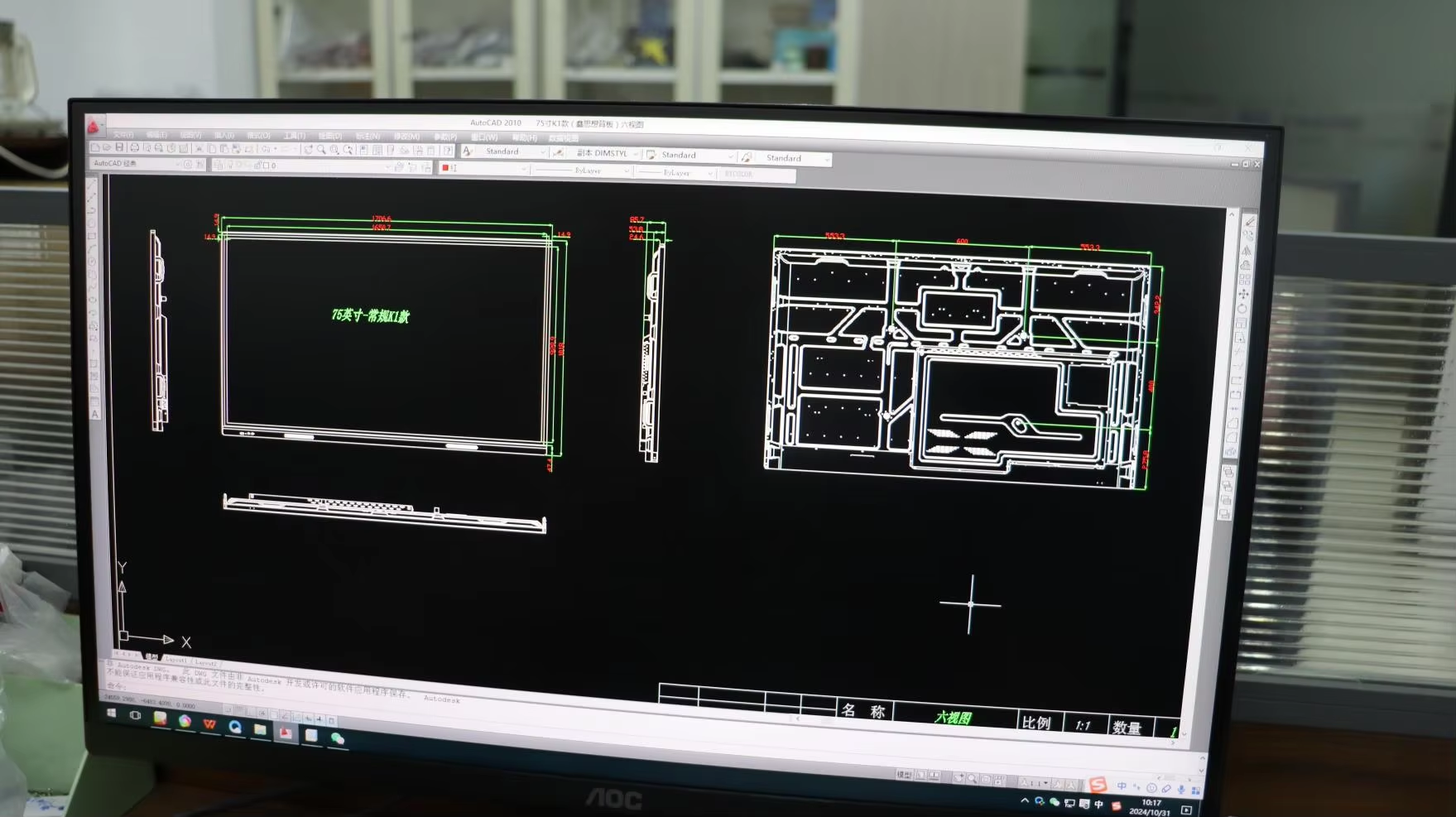
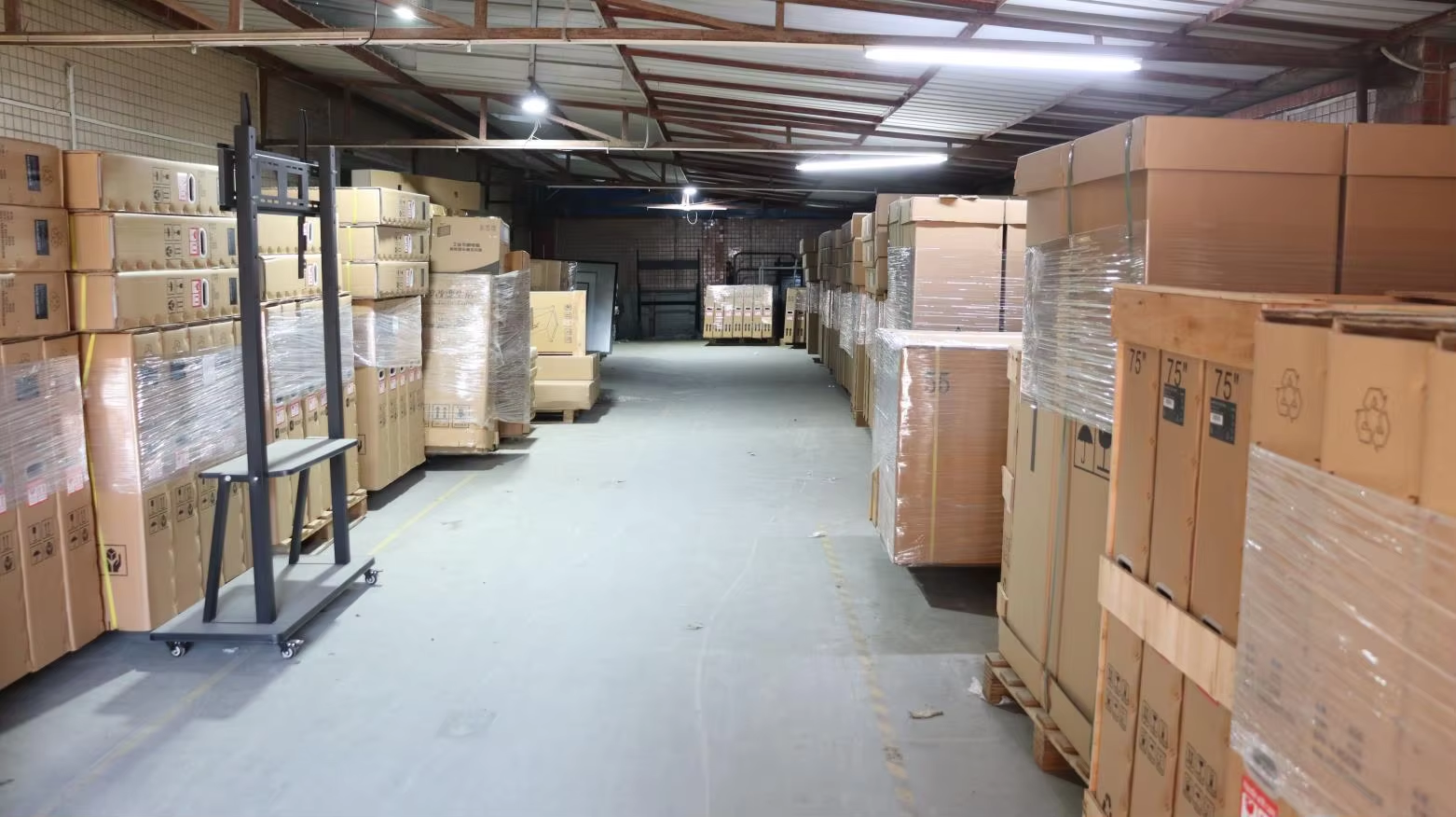
Suppliers often discover after the sample that model references are unclear, components change without a useful record, sales materials are incomplete or custom requests cannot move into stable production.
Evaluate the factory as a repeat-order system
A sample proves that one unit can be built. It does not prove that specifications, substitutions, artwork, inspection and after-sales evidence will remain controlled when the second order arrives six months later.
For a digital signage supplier or branded equipment company, manufacturer selection should therefore test both product capability and operational discipline. The goal is a factory relationship that can reproduce an approved commercial offer without restarting the technical discussion every time.
Test how the supplier defines a product
Ask for the proposed model code, standard configuration, options and project-specific changes. A clear product structure helps sales teams quote consistently and helps both sides identify which changes require approval.
Discuss how panel, player, power supply and other key substitutions are handled. Component continuity cannot always be guaranteed indefinitely, but the notification and re-approval process should be explicit.
Use the sample as a controlled approval
Create an acceptance record covering appearance, startup behavior, brightness mode, interfaces, software image, labels, packaging and included accessories. Photograph or document the agreed details instead of relying on memory.
Record unresolved items separately with an owner and deadline. Sample approval should not silently accept missing documentation or temporary parts that will change in production.
Check the evidence around production and service
Review what the supplier can provide at drawing approval, material preparation, assembly, aging, final inspection and packing. Useful evidence is project specific; a generic factory certificate does not replace configuration control.
For after-sales support, agree the fault information needed, response route, spare-parts logic and whether local replacement or return is expected. This protects the buyer from promising a service model the supply chain cannot support.
Supplier evaluation scorecard
Score the evidence behind each answer, not the confidence of the sales presentation.
| Capability | Good evidence | Warning sign | Approval record |
|---|---|---|---|
| Product definition | Model code, specification, option list and controlled drawing | One generic brochure used for every configuration | Signed configuration summary |
| Change control | Named components and a substitution approval route | Changes described only after shipment | Change notice and buyer authorization |
| Production visibility | Relevant checkpoints and order-specific inspection data | Unrelated factory photos used as proof | Inspection and packing record |
| After-sales process | Fault evidence, response owner and spare strategy | Warranty promise without a workflow | Support responsibility matrix |
Weak signals buyers often mistake for capability
- 01The cheapest first sample
A low entry price has little value if later specifications, packing and component choices cannot be reproduced.
- 02A very broad catalogue
More product pictures do not prove control of model differences, options and repeat-order references.
- 03Certification without scope review
Documents should be checked against the actual model, configuration and destination requirements.
Factory questions that reveal operating discipline
- How is the approved configuration identified on a repeat order?
- Which component changes require customer approval and how are they documented?
- What exactly is checked before packing and what evidence is retained?
- How are custom firmware, labels and packaging revisions controlled?
- What fault information is required before after-sales action begins?
Who this guide is for
Digital signage suppliers, importers, branded equipment companies and distributors comparing OEM or private-label factories.