Compare 2000-nit, 2500-nit and 3000-nit outdoor LCD brightness by installation condition, sunlight, heat and viewing requirements.
When you're sourcing outdoor LCD displays, the first specification you'll see is brightness — measured in nits. You'll usually see options at 2000 nits, 2500 nits, 3000 nits, and sometimes 3500 nits. And the price goes up with each step.
The question isn't "what's the brightest?" It's "what's the right brightness for this specific installation?"
What 2000 Nits Is Good For
2000 nits is the entry level for outdoor-rated LCD. It works well for:
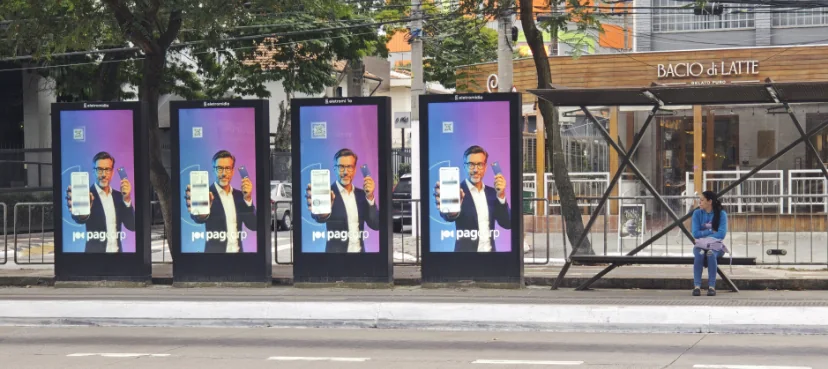
- Covered walkways and bus shelters
- North-facing or shaded installations
- Window-facing displays behind storefront glass
- Projects where budget is constrained and sun exposure is limited
At 2000 nits, the display will remain readable in daylight but will look washed out under direct midday sun. If the screen is behind glass, the reflection loss actually helps — the glass blocks enough ambient light that 2000 nits is often sufficient.
What 3000 Nits Is Good For
3000 nits is the workhorse specification for true outdoor digital signage. It's the standard for:
- Freestanding outdoor totems and kiosks
- Building-mounted advertising displays with no shade
- Parking lot and gas station signage
- Installations in high-sun regions (Southern US, Middle East, Australia)
At 3000 nits, the image stays legible under direct sun, and the contrast is strong enough that colors look vibrant rather than washed out.
The Hidden Cost of Over-Specifying
Many buyers default to "brighter is better" and spec 3500 nits for every project. But here's the tradeoff:
- Higher brightness = more heat generated
- More heat = shorter backlight lifespan
- More heat = more complex (and expensive) thermal management
- More power consumption
We regularly see customers who spec 3500 nits for a window display, where 2000 nits behind glass would have been perfectly adequate — and they paid a 20-30% premium they didn't need.
The Right Way to Spec Brightness
Before you decide, answer these four questions:
- Is the screen directly exposed to sun, or behind glass / under cover?
- Which direction does it face? (South = worst case)
- What's the peak ambient temperature at the site?
- Is there any shade from overhangs or neighboring buildings?
If you're not sure, send us installation photos and the sun direction. We'll tell you what you actually need — not what costs the most.
Who this guide is for
Digital signage suppliers, outdoor advertising companies, system integrators, contractors and display distributors preparing a project brief.