Compare wall-mounted, freestanding, pole-mounted and suspended display installation methods before selecting the hardware.
You've picked the right display. Now you have to put it on a wall — or a pole — or the ground. The mounting method affects everything: viewing angle, safety, maintenance, and even the brightness you need.
Wall-Mounted (Facade)
Best for: Building-mounted advertising, storefront windows, lobbies
Wall mounting is the most common outdoor installation. Key considerations:
- Weight: A 55" outdoor display weighs 40-60 kg. The wall structure must support that.
- Viewing height: The center of the screen should be 1.5-2 meters off the ground for pedestrians. Higher than that and people crane their necks.
- Sun exposure: South-facing walls get the most direct sun — you'll need higher brightness and better thermal design.
Freestanding Totem / Kiosk
Best for: Shopping malls, plazas, parking lots, transit stations
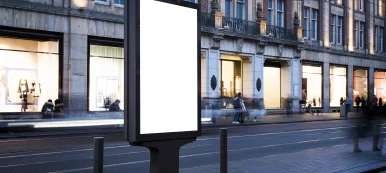
Freestanding units are self-contained — the screen, the computer, the power supply all live inside one floor-standing cabinet. Advantages:
- No wall needed — just a concrete pad
- Easy to move if you reconfigure the space
- Both sides can have screens (double-sided totems)
Considerations: wind load. A tall totem in a windy location needs a heavy base or ground bolts.
Pole-Mounted
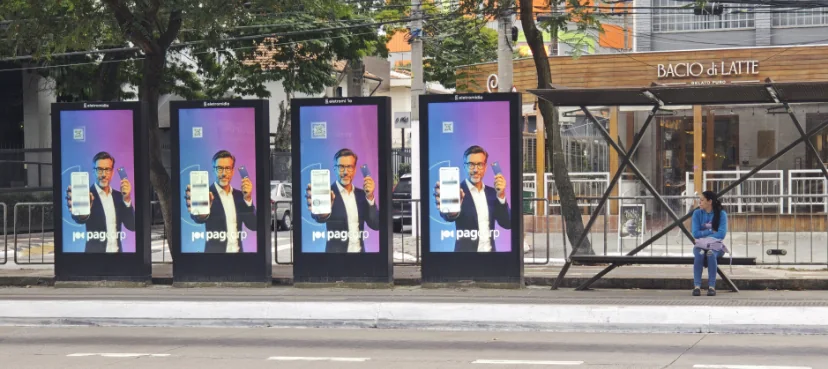
Best for: Street signage, highway rest areas, bus stops
Pole mounting saves space but has limitations:
- You need a pole that can support the weight
- Cable routing must be weatherproof
- Maintenance requires a lift
Ceiling / Suspended
Best for: Transparent OLED installations, museum displays, high-ceiling lobbies
Suspended mounting is common for transparent OLED — because there's no backlight box, the panel is thin and light enough to hang from the ceiling. But you need a clean cable path and structural ceiling support.
The Mistake We See Most
Customers pick a display first, then worry about mounting. But mounting constraints should drive the display choice. A wall that can't support 60 kg means you need a smaller, lighter unit. A windy plaza means you need a heavy-based totem, not a slim freestanding one.
Talk to us about the installation site before you spec the display — we'll recommend the right form factor.
Who this guide is for
Digital signage suppliers, outdoor advertising companies, system integrators, contractors and display distributors preparing a project brief.