Understand how backlight heat, passive cooling, fans and sealed air conditioning affect outdoor display reliability.
The most common reason outdoor LCD displays fail in the field isn't the panel — it's heat. A display that works perfectly in a factory test bench will die within 6 months if the thermal design is wrong.
What Heat Actually Does
High brightness LCD panels generate a lot of heat. At 3000 nits, the backlight is drawing significant power. If that heat doesn't escape:
- The backlight LEDs degrade faster — brightness drops 20-30% within a year
- The LCD panel itself can develop image retention or color shift
- Electronic components on the mainboard fail prematurely
The Three Cooling Approaches
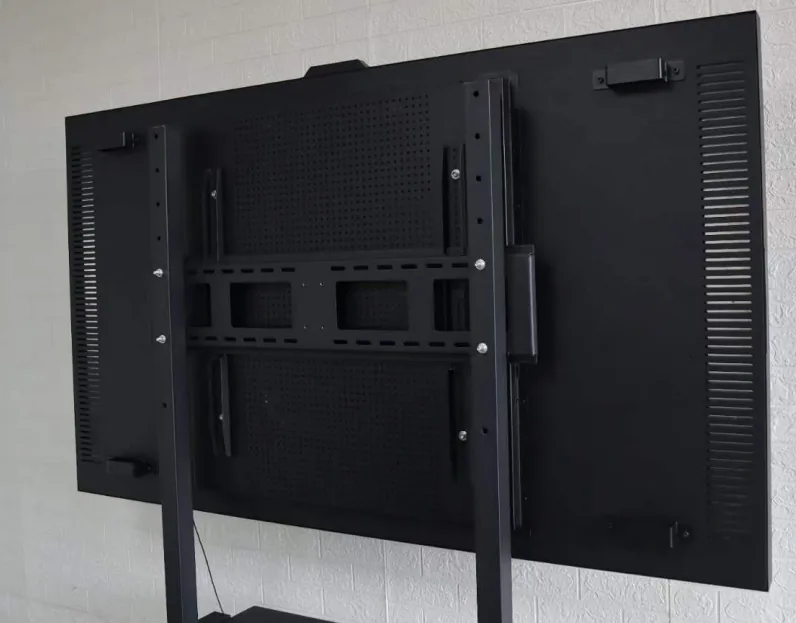
Passive cooling (heat sinks only). Works for 2000-2500 nits in shaded or covered installations. No fans = no moving parts = higher reliability. But it can't handle 3000 nits in direct sun.
Active cooling (fans). Most common for 3000-nit outdoor units. Fans pull cool air in, push hot air out. The downside: fans are wear items. A good design uses industrial-rated fans that last 50,000+ hours.
Air conditioning / sealed cooling. Used in extreme environments (Middle East, 50°C+ ambient). More expensive, but the only option for high-brightness displays in desert climates.
What to Ask the Manufacturer
- What's the maximum ambient temperature the display is rated for?
- How does the cooling system work? (passive / fan / AC)
- What happens when the temperature sensor hits the threshold? (does it dim automatically? shut down?)
- How often do the fans need replacement?
The Warning Sign
If a manufacturer can't tell you the operating temperature range or how the cooling works, they're reselling a generic enclosure. The thermal design is where real engineering happens — and it's the difference between a display that lasts 3 years and one that lasts 5.
Who this guide is for
Digital signage suppliers, outdoor advertising companies, system integrators, contractors and display distributors preparing a project brief.