A practical guide to where transparent OLED makes commercial sense, from premium retail and museums to showrooms and lobbies.
Transparent OLED is one of those technologies that looks amazing in product videos but feels hard to justify on a quote. Where does it actually make commercial sense — and where is it just a gimmick?
Where Transparent OLED Shines
Premium retail storefronts. This is the #1 use case. A transparent OLED installed in a shop window lets you show digital content while still letting customers see the actual products on shelves behind it. Luxury brands (watchmakers, jewelry, high-end fashion) use this to create a "floating content" effect that doesn't block the view into the store.
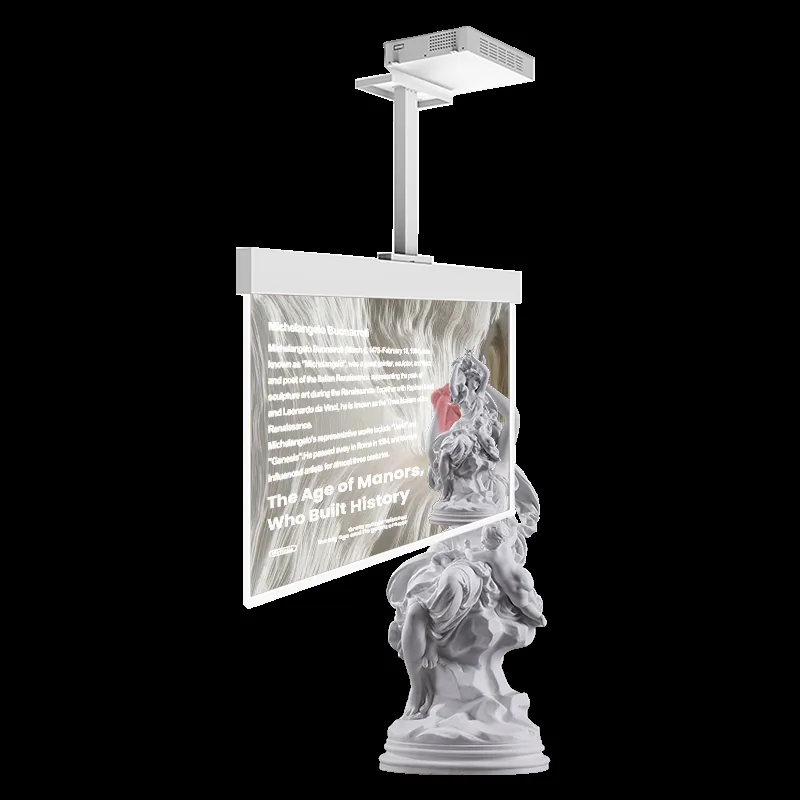
Museum and exhibition displays. Transparent OLEDs can overlay digital information on top of physical artifacts — a sculpture with a transparent screen next to it showing historical context, without breaking the immersion.
Automotive showrooms. Car displays with transparent OLED around them — you can see the car through the screen while specs and pricing float on top.
Corporate lobbies. A transparent OLED in a reception area shows company content while still letting people see into the space behind it.
Where It Doesn't Make Sense
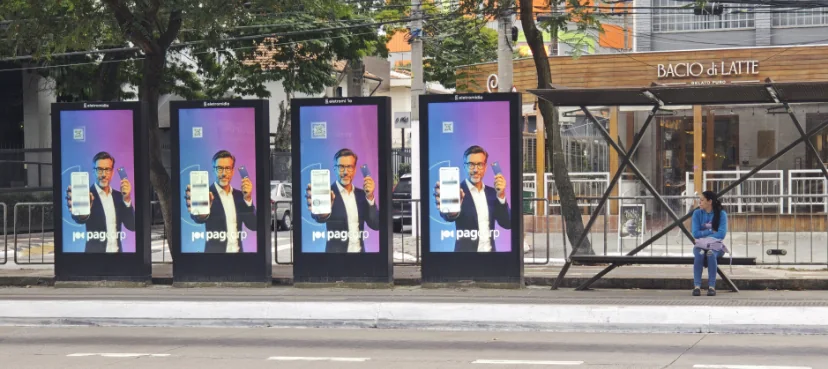
Outdoor advertising. Transparent OLEDs don't have a backlight, so they're completely washed out in bright daylight. They're for indoor use only.
Price-sensitive retail. Transparent OLED panels are significantly more expensive than LCD. If you're a convenience store or fast-food outlet, a standard LCD will give you 80% of the impact for 30% of the cost.
High-brightness environments. Anywhere with lots of ambient light — the transparent screen won't be visible.
The Engineering Reality
Transparent OLED doesn't need a backlight box — that's the whole point. But it does need:
- A way to mount the panel cleanly (no visible bezels)
- Content designed specifically for transparency (solid black areas look invisible, which is the effect you want)
- A controlled indoor lighting environment
If you're considering transparent OLED for a retail or exhibition project, the best first step is to show you actual case videos of similar installations — because it's hard to visualize from a spec sheet alone.
Who this guide is for
Digital signage suppliers, outdoor advertising companies, system integrators, contractors and display distributors preparing a project brief.