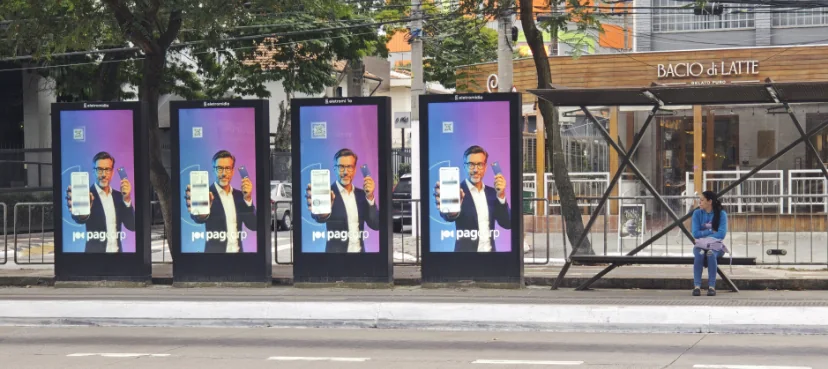
La frase 'display LED' può indicare un pannello LCD con retroilluminazione LED o una parete LED direct-view i cui LED formano l'immagine. I preventivi sono comparabili solo quando la struttura dell'immagine è chiara.
Partire dalla struttura dell'immagine
LCD utilizza uno strato a cristalli liquidi e una retroilluminazione. LED direct-view usa i LED come pixel, solitamente assemblati in cabinet o moduli. Cambiano quindi risoluzione, giunzioni, luminosità, calore, manutenzione e budget.
Quando LCD è normalmente la scelta più forte
LCD è spesso pratico per distanze di visione brevi o medie, rapporto fisso, contenuti informativi, vetrine e progetti che richiedono un'unità completa. Confronta luminosità dell'unità finita, vetro, progetto termico e interfacce di controllo.
Quando LED direct-view è normalmente la scelta più forte
LED direct-view è spesso considerato quando l'area attiva deve superare i pannelli standard, il pubblico è più distante o serve una tela molto grande. Verifica pixel pitch, distanza, planarità, ridondanza, accesso di servizio e contenuto.
Cosa confrontare prima di chiedere un prezzo
| Decision point | LCD / LED-backlit LCD | Direct-view LED |
|---|---|---|
| Image structure | Liquid-crystal image layer with LED backlight | Individual LED emitters form the image |
| Resolution and size | Fixed native resolution per panel; scale with a tiled LCD design only where appropriate | Set by pixel pitch and total active pixels; scales through cabinet layout |
| Viewing and content | Often suited to close or moderate viewing and detailed information | Often suited to large-format viewing when pixel pitch matches audience distance |
| Service model | Assess panel, backlight, thermal system, glass and electronics at finished-unit level | Assess module, cabinet, power, data, redundancy, calibration and physical access |
| Energy evidence | Request finished-unit power, brightness mode and test conditions | Request cabinet power data, brightness mode, configuration and test conditions |
Fonti e note di misurazione
I seguenti standard e programmi indipendenti sono citati per terminologia e metodi di verifica. Non sostituiscono una specifica di progetto o il rapporto di prova del prodotto finito.
For example, VESA's public DisplayHDR system uses defined peak-luminance tiers such as 400 and 1000 for its own performance categories. Those labels are useful for discussing test conditions, but they are not a universal outdoor-display requirement. Compare a supplier's complete-unit measurement method, operating mode and stated conditions.
- VESA DisplayHDR - public display-performance criteria and luminance-tier terminology.
- U.S. EPA ENERGY STAR Displays Program - program information and measured energy-performance context.
- AVIXA Standards - professional audiovisual standards and system-planning context.
- IEC Webstore - source for the IEC 62087 power-consumption measurement-method standard.
Domande che rendono utile il confronto
- Is the proposed product an LCD with LED backlight, or a direct-view LED display?
- What is the actual viewing distance, smallest required text and content type?
- Is brightness quoted for the complete display in the stated operating mode?
- Which components can be serviced on site, from which side, and with what spares?
- What power figure, heat assumption and measurement method support the quotation?
- What finished-unit sample or acceptance evidence can be supplied before volume production?